
How Cudahy Residents Are Found
A Cudahy residents directory search works best when each clue goes to the right custodian. Start with an address. That belongs at the Los Angeles County Assessor Property Search. The search can return an assessor identification number, or AIN. An owner name then points to the Registrar-Recorder/County Clerk. Its property records are indexed by grantor, grantee, and recording year. A person-name question may call for a different tool. That might be the Los Angeles Superior Court party index. It could also be a vital-record application or a state business or license search. Match the clue to the keeper and the answer arrives faster.
Each source answers a narrower question than "resident" implies. A parcel roll identifies property facts and a recorded owner. A directory lists a household or subscriber for one publication year. Voter records are restricted, not a casual public block list. Many people never appear in a public resident roll. Renters, unlisted households, utility customers, students, and many protected people are among them. Keep notes. A dated address, spelling variants, and the record type all belong there.
- Start with an exact Cudahy address or a name and time period, rather than a broad people search.
- Use the Assessor to connect a situs address to its AIN and legal description.
- Use the current assessee or a deed party to choose the next county or court search.
- Compare a dated result with a second source before treating an owner, occupant, or party as the same person.
- Ask Cudahy or the county for a nonexempt record when the needed material is not online.
It yields a defensible trail, not a household census.
Cudahy Resident Records Offices
Cudahy keeps its people records mostly at the county level. The City Clerk holds municipal files, public notices, and a request form. Property and deeds sit elsewhere. So do vital records, elections, and most trial-court material. Those belong to Los Angeles County or a California agency. The offices below are the main stops. They sit behind a Cudahy residents directory. The Cudahy street directory page carries the full address chain. This overview keeps the custodians and their handoffs clear.
Los Angeles County RR/CC
12400 Imperial Highway
Norwalk, CA
800-201-8999
Los Angeles County Assessor
Free AIN and address search
Owner-name counter and phone paths
213-974-3363
Los Angeles County Elections
12400 Imperial Highway
Norwalk, CA
800-815-2666
A Cudahy parcel has two keepers. The Assessor supplies the AIN and the RR/CC the recorded instruments. Permits and correspondence files go to the City Clerk.
Start at the Cudahy Address
The Assessor is the cleanest first move when the clue is a street address. Use either the AIN or the full situs address in the search form. The AIN is a mapbook-page-parcel number. It keeps a parcel distinct from its street label. Address autocomplete can supply the city, ZIP, and AIN details. The ordinary result is free, but the public address path is not an owner-name browse.
Parcel output can be rich. It may include the situs address, parcel type, and use type. Tax-rate area, exemption, and units can appear as well. Beds, baths, and land area can show up too. So can zoning, building year, and values. Map references and the legal description round it out. An assessee may appear, though a trust or LLC can be the named owner. An assessee mailing address can differ from the physical parcel. Neither fact proves who lives inside.
| Assessor field or mode | What it does for a Cudahy search |
|---|---|
| AIN | Uses the mapbook-page-parcel identifier to keep the parcel stable. |
| Situs address | Finds one physical parcel through the address autocomplete. |
| Assessee name | Available through PDB, a regional-office terminal, or phone service rather than a free owner-name browse. |
| Legal description | Carries tract, lot, block, or map detail into older deeds and address changes. |
| Access path | Useful for | What to keep in mind |
|---|---|---|
| Free Assessor address search | Finding an AIN and parcel facts from a Cudahy situs | Not a free owner-name browse and not an occupant list |
| PDB, counter, or phone service | Following an assessee name when the address is already anchored | Remote PDB charges apply; counter and phone alternatives are documented |
| Commercial people-finder compilations | Only a lead that needs source checking | May merge people, lag behind records, charge fees, and cannot correct the source |
The Assessor's map and parcel result is a key. It opens the next office, not a household roster. Check the official Assessor search before paying for any owner-name tool. The free address result may answer the first question. The city's separate Cudahy City Clerk page covers the municipal side of an address question.
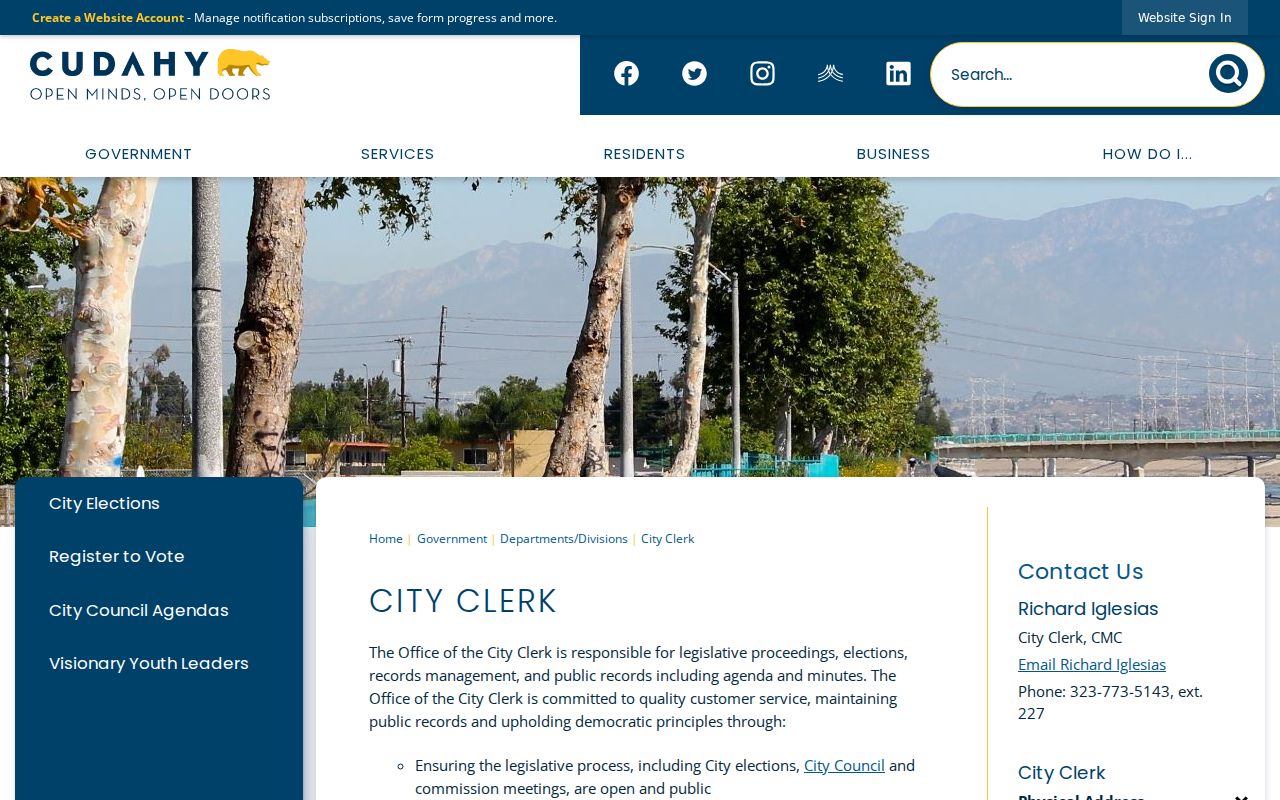
City and county entry points are separate. A Cudahy address search may need both local and county custodians before it finishes.
Current Cudahy Resident Directories
Current sources that resemble a Cudahy residents directory each cover a different slice. Property records show the parcel and its titled parties. City staff pages list public contacts. A business filing or license may tie a person to an organization or premises, but that address role is not a home, and the table keeps such distinctions visible.
| Source | Who It Lists | Keeper | Access |
|---|---|---|---|
| Assessor parcel roll | Parcel facts and current assessee information | Los Angeles County Assessor | Free address/AIN; owner name has other access paths |
| My Voter Status | A voter’s own status and registration details | California Secretary of State | Authenticated self-lookup |
| Recorder index | Parties to deeds, liens, releases, and plats | LA County RR/CC | No public online index; counter or request |
| Cudahy staff directory | Named city officials and departmental contacts | Cudahy City Clerk | Public web directory |
| Business and license registers | Entity, premises, or professional affiliation | California agencies and county offices | Public search, role-specific address |
A good lookup names the question first. Ownership runs from parcel to assessee to Recorder. One person needs a wider net. The Cudahy resident lookup path compares dated property, court, vital, business, and license records. Civic contacts sit in the official directory or a meeting record. No public neighborhood or HOA roster exists for Cudahy, so none belongs in the table, and the Los Angeles County records services hub remains the county-facing source for the offices above.
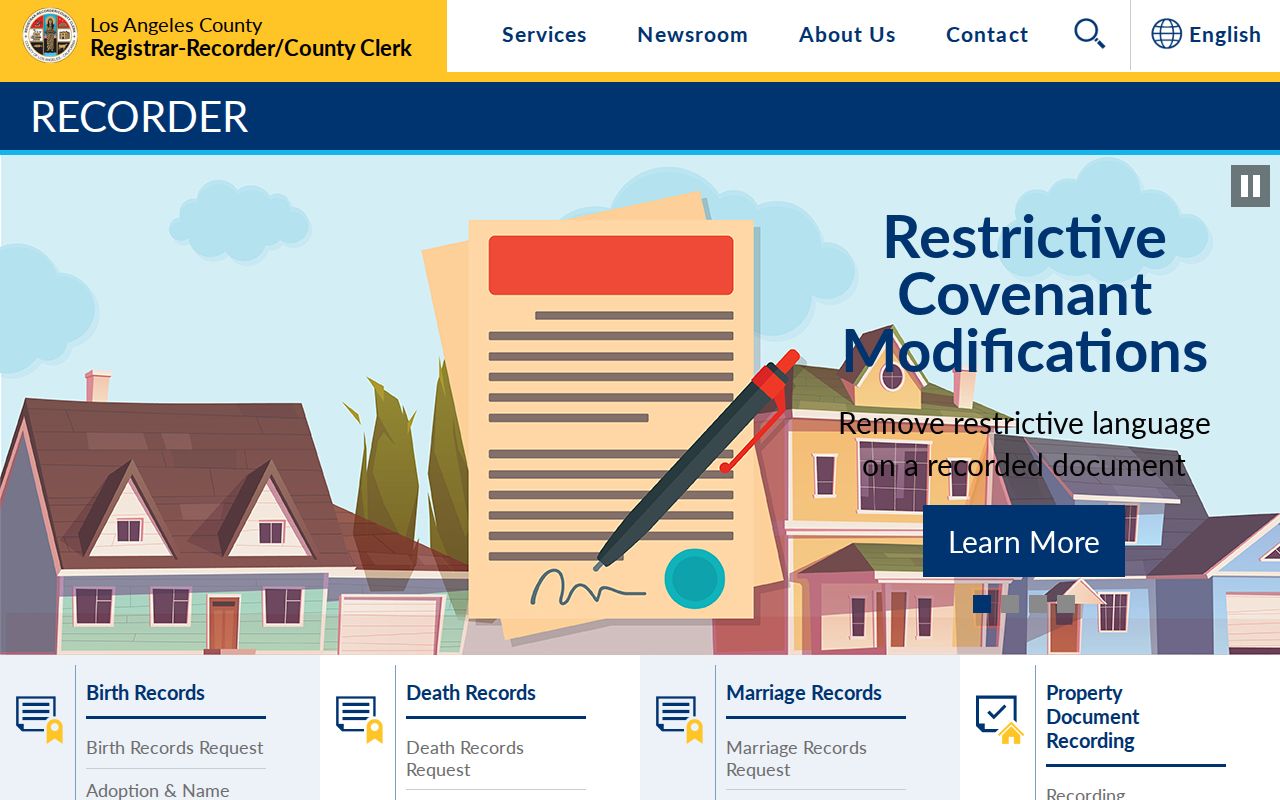
It bridges a Cudahy question to the county file.
Cudahy Recorder Names Need Context
The Recorder's index rewards patience and punishes guesswork. Los Angeles County real-estate records reach back to 1850. Yet the county publishes no online deed index that accepts a Cudahy street address or parcel number. Lookups run on names instead. A grantor gives up an interest in property; a grantee takes it. The index groups everything by those parties and by recording year. So the Recorder works as a party trail, not as a street directory for Cudahy.
Start where the Assessor leaves off. Pull the current parcel and assessee. Treat that assessee as a likely deed party. Then request the document by name, year, and title details. Mail name searches cost $0.50 per name per year, with a $1 minimum. Plain copies run $5 for the first page. Added pages are $3 each; certified copies are $6 first, then $3 each. Online copy orders are normally processed within 20 working days. The counter sits in Room 2207 at 12400 Imperial Highway in Norwalk. Hours are Monday through Friday, 8:00 a.m. to 5:00 p.m. The main line is 800-201-8999.
Keep recording fees separate from copy fees. They are different charges for different steps. Treat the document number, recording date, legal description, and named parties as the bridge. That record ties an Assessor parcel to its deed. For disputes that outgrow property records, the Los Angeles Superior Court case-access directory is the right starting point.
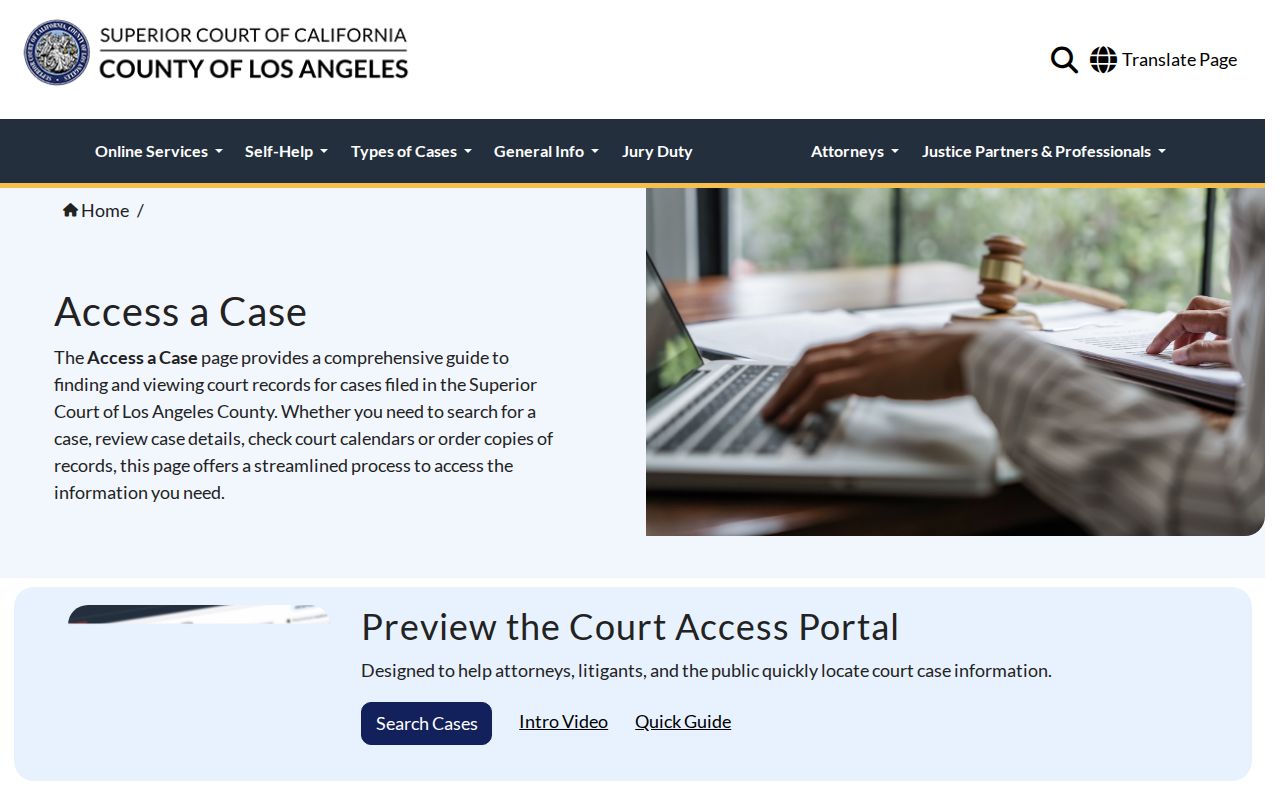
The county and court portals often sit side by side in a records workflow. Still, a court result never replaces a proper deed search.
Note: A recorder result names parties to an instrument, not every person connected with a Cudahy address.
Voter Status Is Not Cudahy Directory Data
California My Voter Status works differently from any directory tool. It asks for a first name and last name. It also takes a date of birth, driver license or state ID number, and, where applicable, the last four digits of a Social Security number. That makes it an authenticated self-lookup. Each person sees only a personal record: registration status, party preference, districts, and election details. It is not a public Cudahy residents directory. It cannot casually list a street.
Elections Code section 2194 keeps disclosure narrow. Permitted purposes cover elections, scholarship, journalism, politics, and government; commercial use is banned outright. Signatures, Social Security numbers, and driver-license values stay withheld. Safe at Home and other protected addresses carry extra limits. The county elections office does sell authorized products, such as a street index. It also sells a voter data text file. A requester must state an allowed purpose and pay the product fee. So a voter roll never doubles as a resident lookup for Cudahy.
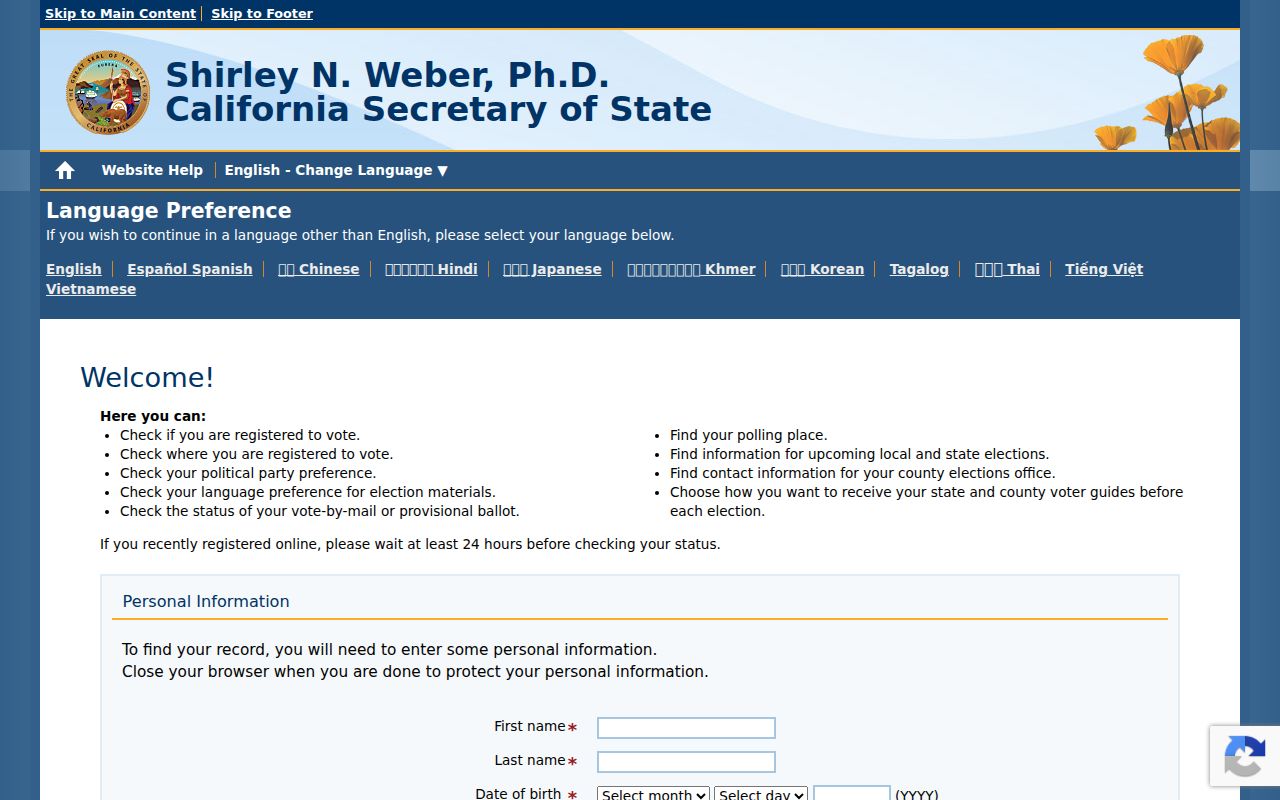
The official status form shows the gap between an authenticated self-check and an open resident directory.
When Cudahy Court Search Helps
A name in the Cudahy residents directory can point past property rolls toward the courts. Cudahy itself has no municipal court of its own. The Bellflower Courthouse handles the Southeast Judicial District, sitting at 10025 E. Flower Street in Bellflower. Call 562-345-3300 for general information. Doors open 8:00 a.m. to 4:30 p.m. The clerk's window runs 8:30 a.m. to 4:30 p.m. Division assignments and filing rules still shape what you can pull.
The paid party search spans civil, family, probate, and small-claims matters. It reaches back to 1983 for Unlimited Civil, Probate, and Family cases. Limited cases date to 1991, and Small Claims to 1992. Fees stay nonrefundable even when nothing matches. A hit may list a litigant, case type, filing date, courthouse, and image count. Sealed, confidential, juvenile, adoption, paternity, and some family files are narrower remotely. A public terminal can reveal more than a remote session.
Treat court records as dated corroboration. A party listed is not automatically a resident of Cudahy. A case number or docket is never a certified copy of the file.
Cudahy Vital Records Have Access Layers
Vital records answer event questions. They do not answer who lives at a Cudahy address. Los Angeles County holds county birth records from 1866. The California Department of Public Health runs the statewide vital-record routes. California splits certified copies into authorized and informational types. It does not open every record after a fixed stretch of years. Confidential marriage records stay restricted under Family Code section 511(a). Adoption files remain confidential.
For 2026, the county charges $34 for a birth copy. CDPH birth copies run $31, death copies $26, public marriage copies $19, and divorce certificates $18. County births from 1962 to the present are generally handled by appointment. The 1972 through 1977 range is the exception. Older county ranges and that gap use mail channels. A No Record Statement does not refund the fee. Bring the required identification. File the current forms through the California vital records gateway. A vital record can confirm an event or family link. Keep its copy type and eligibility rules separate from any public index entry.
The Norwalk Cudahy History Shelf
Deep Cudahy roots often lead to Norwalk. The LA County Library Californiana Collection sits at the Norwalk Library, 12350 Imperial Highway. It is closed-stack. More than 24,000 books are held there, plus over 200 periodical and newspaper titles. Holdings include California census schedules from 1850 to 1910, Alta California from 1849 to 1891, and the Los Angeles Star from 1851 to 1879. City directories reach back to the nineteenth century. Exact Cudahy and reverse-directory volumes are not published online. Contact staff before making the trip.
A single directory entry can pack in a surname, given name, and spouse notation. It may also carry an occupation and a residence or business prefix. An address may follow, sometimes with an owner or renter mark. A criss-cross volume, if one is cataloged, reverses the path. It sorts by street and house number. Abbreviations and publisher codes shift between volumes. Never assume a phone symbol means the same thing twice. Record the key printed in the volume you hold.
For current local files rather than history, turn to the Cudahy public records and documents hub. It is the city-side counterpart to the broader Norwalk shelf.
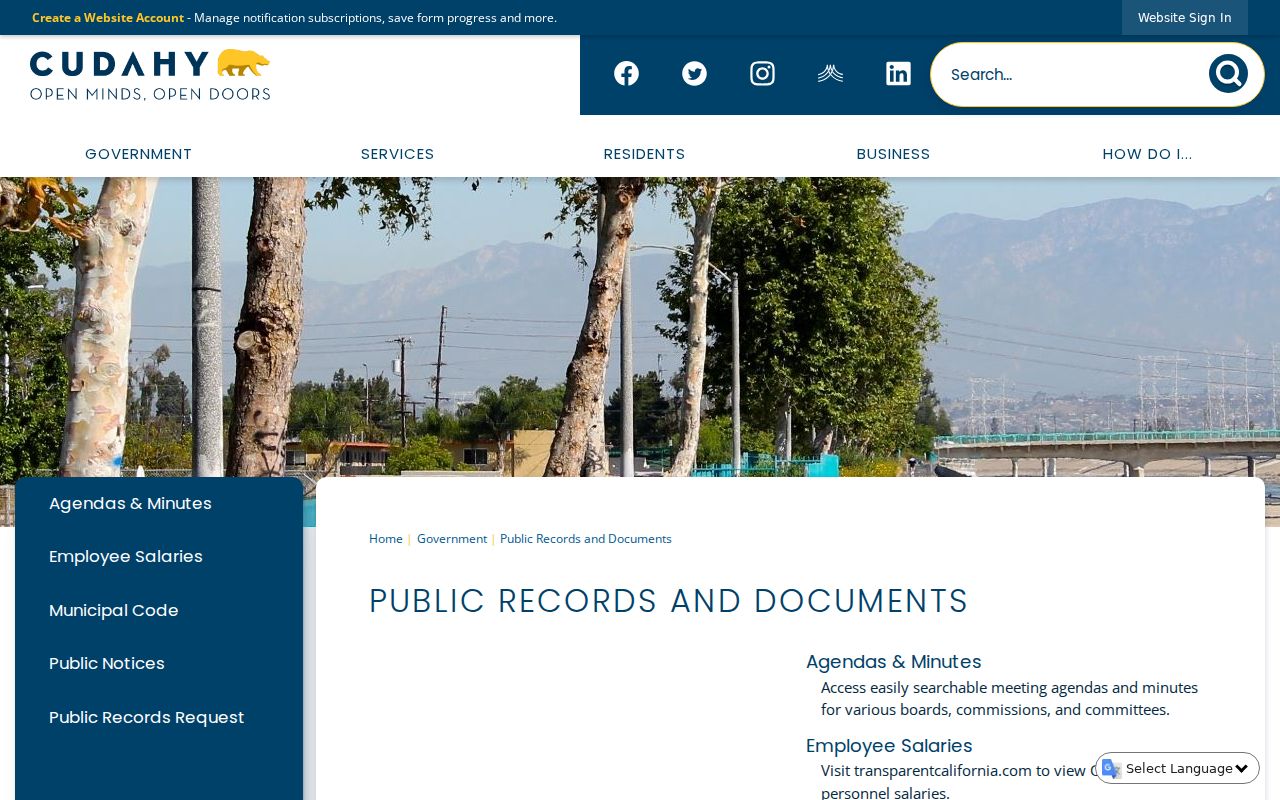
The city hub holds local files; Norwalk holds the history.
Cudahy Records Before 1960
Los Angeles County was created in 1850, and RR/CC property holdings begin that same year. Cudahy incorporated on November 10, 1960. The split shapes every search. A pre-1960 household may sit under Los Angeles County, Cudahy Ranch, or a neighboring place rather than a standalone Cudahy heading. Michael Cudahy bought several thousand acres in 1893. The Cudahy Ranch Company formed after his death. That older name can bridge a land-history trail when the modern city label fails.
The 1950 census also predates incorporation. Search the enumeration geography of the day. Then pair the household with the nearest city directory, deed, newspaper, or probate clue. Schedules through 1950 are public under the 72-year rule. Later ones open on their own release schedule. No Cudahy-specific directory start date, recorder imaging cutoff, or courthouse loss is published, so treat those as open gaps rather than settled facts.
For a current population figure, use the dated Census QuickFacts Cudahy profile instead of carrying a stale estimate into a records search.
Note: An older county or ranch-era place label may be the key to a Cudahy household that predates the city name.
Business Addresses Are Not Homes
California bizfile searches by entity name or file number. A filing may list status, jurisdiction, addresses, an agent for service, and filings. The county fictitious-business-name record ties a trade name to its registrant. The Department of Consumer Affairs search can surface a board, license type or number, location, status, issue or expiration data, and published discipline, all of it useful for sketching a person's organizational or professional role.
Those addresses are not interchangeable. A premises address, a principal or mailing address, and an agent-for-service address each serve a different purpose. None proves a Cudahy home. The same caution covers a court filing, a deed party, and an assessee mailing address. For a one-person question, compare at least two dated sources. Keep the address role in your note.
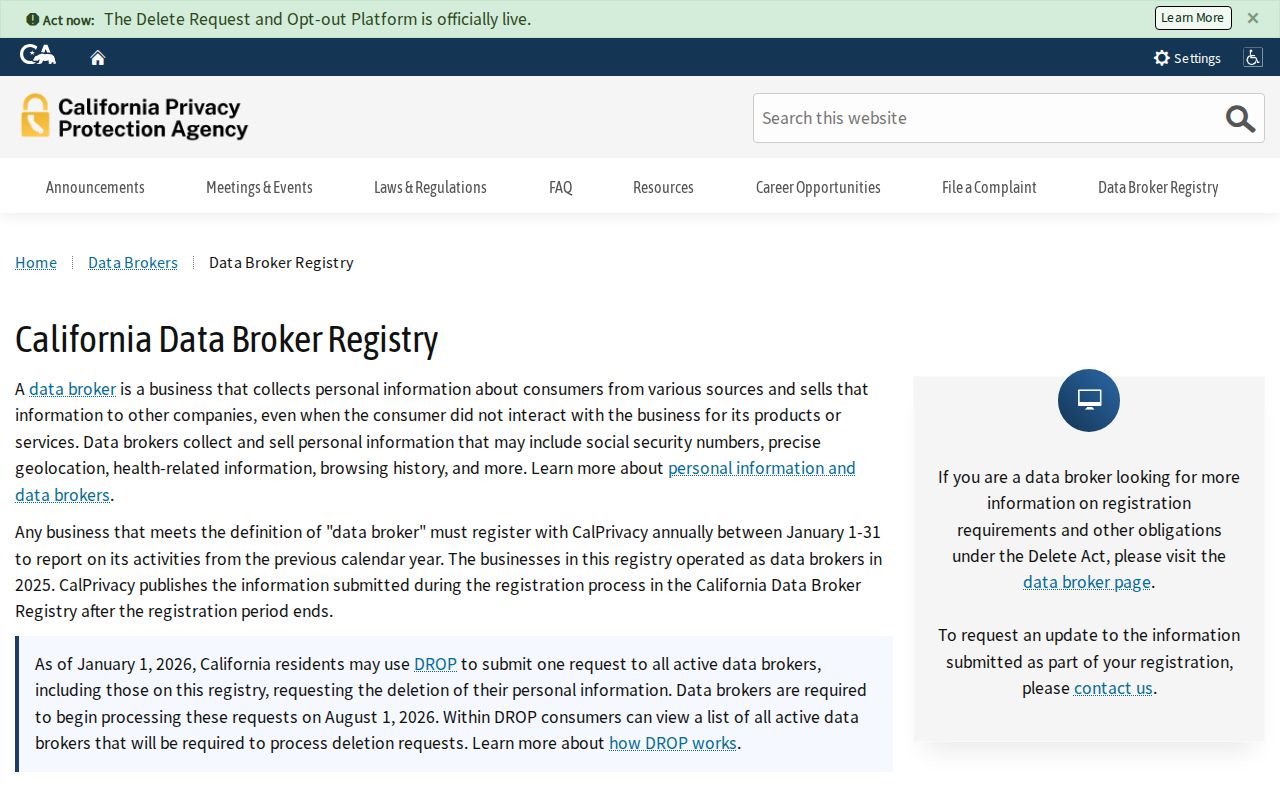
California's official data-broker registry is a privacy route. It cannot fix the government record that supplied the fact in the first place.
What Cudahy Records Cannot Identify
No official record set counts every household. The Assessor connects a parcel to an assessee and legal facts. Ownership does not list occupants. The Recorder names instrument parties, not renters. A directory omits unlisted people and uncovered addresses. Voter products stay restricted, and an authenticated voter-status result belongs to the voter who runs it.
Utility, delivery, DMV, student, and full renter data are not open resident directories. California's DPPA limits motor-vehicle personal data. Safe at Home gives eligible participants a substitute mailing address, but it does not erase public information that predates enrollment. A Cudahy residents directory should describe each source and its limit. One hit is never a full answer.
- Roll
- An organized list maintained for a defined purpose, such as assessment or voter administration.
- Index
- A finding aid that points to a record; it may not include the full image or prove the record’s contents.
- Parcel
- A mapped piece of land identified by an AIN and legal description.
- Criss-cross directory
- A reverse directory that starts with a street and house number, when that volume exists.
Request a Cudahy Public Record
Missing city file online? Use the Cudahy Public Records Request form. It asks for a first and last name, mailing address, city, state, ZIP, phone, and email. Each field is simple. Describe the record, address, and date range. Pick copies, inspection only, inspection and copies, or another option. A policy agreement and an optional email-copy choice round out the form.
Cudahy staff say the agency decides within 10 days whether responsive records are public and available. Standard copies run $0.25 per page. Form 700 and campaign disclosure copies cost $0.10 per page, with added charges possible. Narrow wording helps staff locate a permit, license, correspondence file, or code record. That keeps the request from ballooning into a demand for a complete resident list.
- Name one record type and one Cudahy address or department.
- Add the date range and say whether inspection, copies, or both are wanted.
- Keep the acknowledgement and ask the City Clerk about a fee before ordering copies.
County records belong with the county custodian. The California Public Records Act, Government Code sections 7920.000 and following, generally gives an agency 10 days for an initial determination. Extensions and exemptions can apply.
Privacy Paths for Cudahy Searches
California gives residents real leverage over their data. CCPA and CPRA rights cover knowing, deleting, correcting, and limiting sensitive data. They also cover opting out of sale or sharing by covered businesses. The CPPA registry offers one route. The DELETE Act route offers another. A deletion request can go straight to a data broker. But deletion has limits. Erasing a broker profile does not erase every record. A Los Angeles County deed can remain. So can a court case, Assessor roll, or city file. For a correction, go to the source custodian who keeps the record.
Use only the identifying facts you need. Family history, reconnecting, estate work, a seller check, or civic research all fit that rule. A Cudahy residents directory is never a tool for stalking, threats, impersonation, or harassment. Penal Code sections 646.9 and 653m cover stalking and specified harassing communications. Even a lawful lookup calls for restraint, source checks, and respect for protected addresses.
Recent state privacy work points opt-out questions to one place first. That place is the official CPPA data-broker registry. The 2025-2026 DELETE Act implementation is part of this work. The registry cannot turn a public record into a private one. It can, however, address a separate commercial copy floating outside the official rolls.
Historical Cudahy Resident Directories
Older Cudahy residents directory research leans on regional archives rather than a single municipal volume. The LA County Library's Californiana collection holds nineteenth-century city directories. Census schedules covering 1850 to 1910 sit alongside them. Southern California newspapers sit on the same shelves. NARA's Riverside branch contributes federal naturalization files and wider genealogy holdings. For the current address workflow, the Cudahy city directory page gathers those details separately. That keeps the historical material distinct from the modern lookup tools.
A printed directory year can anchor a household. It may list a name, occupation, spouse notation, and street address in one published context. What it cannot do is prove continuous residence. Nor can it account for every person at that address. That gap calls for corroboration. Match the entry against a census year, a deed, a probate file, an obituary, or a dated court record. Keep the volume's abbreviation key close at hand while transcribing. The exact Cudahy runs and reverse-directory volumes are not confirmed online. Ask library staff to verify call numbers and access conditions before you plan a visit.